DFFE warns against eating wild shellfish on West Coast
· Citizen
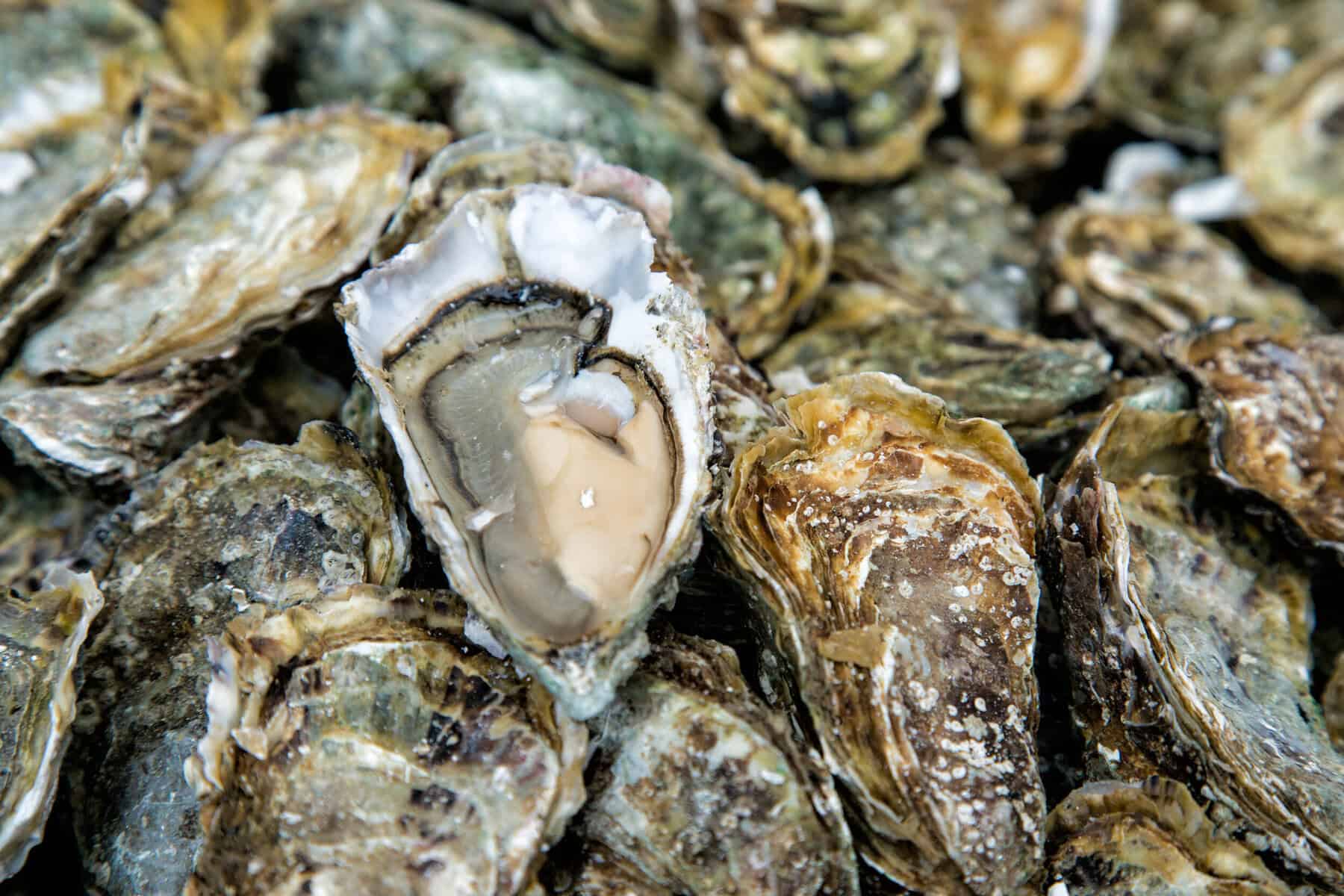
The Department of Forestry, Fisheries and the Environment (DFFE) has issued a warning against collecting or consuming any wild shellfish from Saldanha Bay in the Western Cape and its surrounding areas.
Visit somethingsdifferent.biz for more information.
DFFE said recent monitoring, which started on 25 May, detected high levels of paralytic shellfish toxins (PST) in mussels and oysters in the Saldanha Bay farms.
Toxin levels far exceed safety limits
The toxin levels, the department said, were recorded at 15 times the regulatory safety limit.
“High concentrations of toxin-producing phytoplankton (Alexandrium catenella) have also been recorded, indicating a significant harmful algal bloom,” DFFE said in a statement on Friday.
“The production areas in Saldanha Bay have been closed [to] harvesting for human consumption. At this stage, it is not clear how widespread this risk is along the West Coast, and toxin levels may vary across different areas.”
Ingesting contaminated shellfish such as mussels and oysters can cause serious illness due to paralytic shellfish poisoning.
It may also be life-threatening.
“Members of the public are strongly advised to avoid harvesting or eating any wild shellfish from Saldanha Bay and surrounding coastal areas until further notice.”
Red tide continues to affect West Coast waters
In February, the department issued a red tide alert urging residents to steer clear of the shoreline at Elands Bay and to avoid collecting or eating West Coast Rock lobsters that had washed up on the beach.
According to Walter Steenkamp, chairperson of the fishing cooperative Coastalink Northern Cape and Aukotowa Fisheries, the red tide hits the West Coast up to six times a year.
“The main cause of this red tide is overgrowth by plants in the ocean that take all the nitrogen and phosphorus in the ocean away and can kill marine life,” Steenkamp said.
The department warned that washed-up seafood is not safe to eat.
This is because the time of death cannot be confirmed, while the exposure to algal toxins and bacterial contamination poses a serious health risk.
“Consumption may result in severe illness or death,” the department said.
Additional reporting by Enkosi Selane.