Murdered Kenyan’s family angry over UK extradition delay
· Citizen
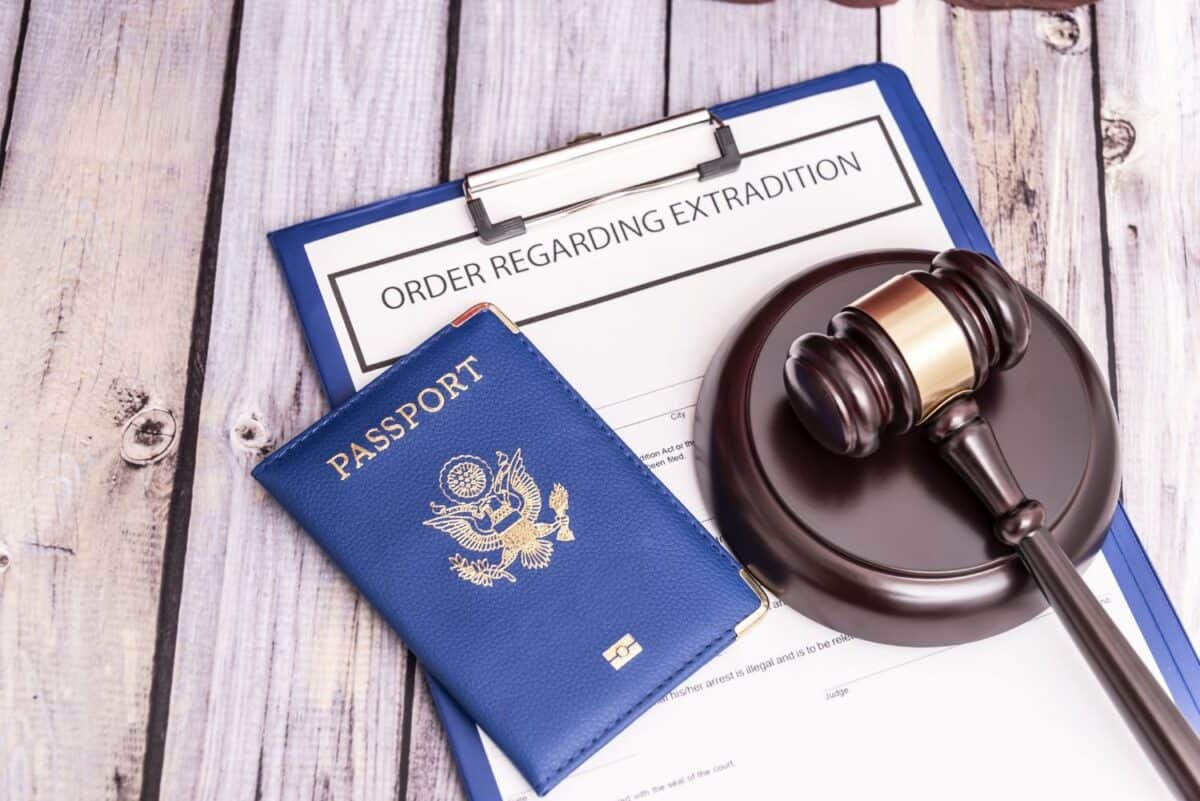
The family of a Kenyan woman allegedly murdered by a British soldier is furious after the suspect’s extradition case was delayed by another six months.
Agnes Wanjiru, 21, died in 2012 after partying with British soldiers at a hotel in Nanyuki, a town in central Kenya where Britain maintains a permanent military base. Her body was found in a septic tank.
Visit grenadier.co.za for more information.
Robert James Purkiss, 39, was arrested in Britain last year and his extradition hearing was set for November 16.
But that was pushed back without explanation to May 24, 2027, the victim’s family said on Wednesday.
It came as a huge blow for Wanjiru’s family, who had held a fundraising drive to pay for flights to London to attend the hearing.
They only learned of the postponement “by chance”, while attempting to update a document at the British Embassy in Kenya.
“It’s yet another shock for us,” the victim’s sister, Esther Muchiri, told AFP.
“With this new delay, it will have been 15 years that we’ve been waiting for the case to be heard. And this is just the hearing regarding the extradition,” she added.
“It’s not even the trial. The case might take even more than two decades, which is unfair and unacceptable,” she said.
Muchiri said the court had confirmed the postponement to the family’s lawyers in Britain and the reasons would be communicated to them next week.
“One thing they should know: we will continue pushing and we will not give up. It doesn’t matter how many times they frustrate us,” said Muchiri.
‘Decades of impunity’
In 2021, following years of foot-dragging, the Kenyan police reopened the investigation in the wake of revelations by The Sunday Times newspaper, which reported that a soldier had confessed to his comrades to killing Wanjiru and showed them her body.
The report alleged the murder was taken to military superiors, but no further action was taken.
Purkiss reportedly served as a medic with an infantry regiment, including on tours of Afghanistan. The army has provided him with legal representation.
Since Kenya gained independence in 1963, Britain has kept a permanent army base near Nanyuki, around 200 kilometres (125 miles) north of the capital Nairobi.
The British Army Training Unit in Kenya is an economic lifeline for many in Nanyuki.
But it has faced criticism over claims of misconduct by its soldiers, as well as the maiming of civilians by unexploded ordnance.
In 2003, Amnesty International reported that the rights organisation had documented 650 allegations of rape by British soldiers in Kenya across “decades of impunity” between 1965 and 2001.