SEBI Plans Uniform Pre-Open Trading Rules For NSE, BSE To Ensure Fair Order Priority
· Free Press Journal
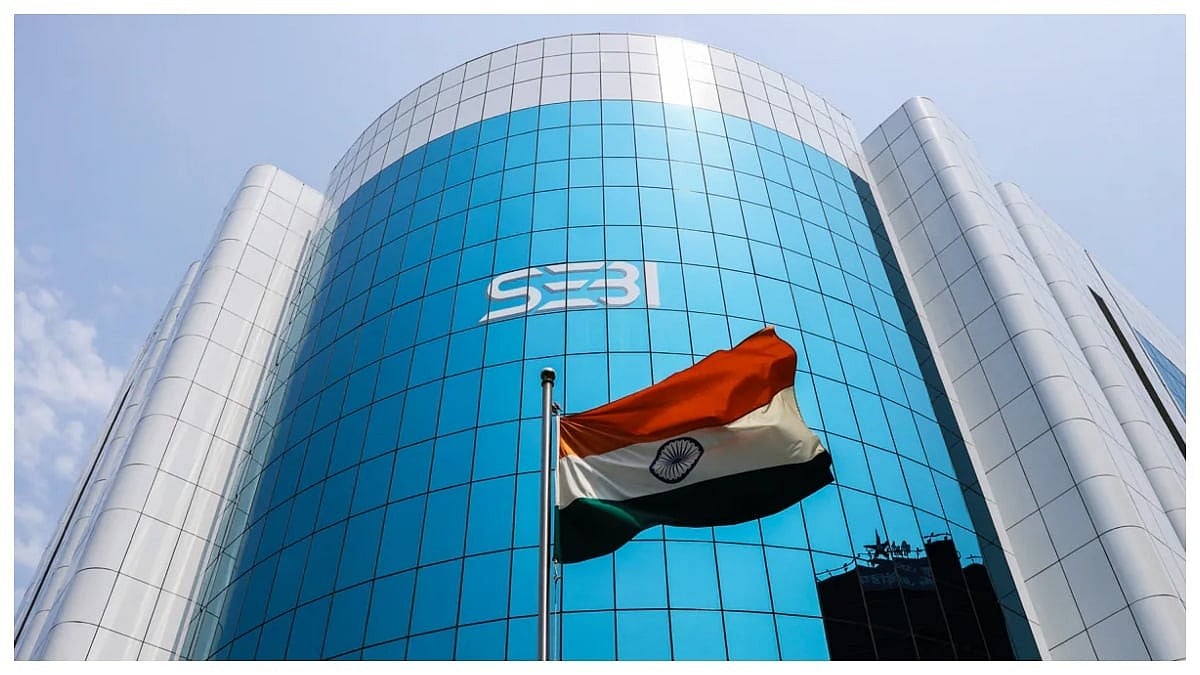
The Securities and Exchange Board of India (SEBI) is considering a uniform order acceptance mechanism for the pre-open trading session across stock exchanges to improve transparency and ensure fair treatment of investors.
Visit newsbetting.cv for more information.
As per a report by Moneycontrol, the proposal follows differences in how the National Stock Exchange (NSE), BSE and Metropolitan Stock Exchange (MSE) process orders and verify margin availability.
Under the proposed framework, exchanges would first confirm whether investors have sufficient margins before displaying their orders in the order book.
However, orders would retain their original receipt timestamps, regardless of how long margin verification takes.
SEBI's New Settlement Regulations 2026 Take Effect From Today; Check Eligibility, Application RulesCurrently, NSE and MSE verify margin sufficiency before accepting and displaying orders.
BSE follows a different procedure, displaying orders before completing margin checks. Orders without sufficient margins are subsequently cancelled.
SEBI believes these differences could affect order priority, particularly when investors submit orders simultaneously across multiple exchanges.
For instance, an order received at 9:00 AM would retain that timestamp even if margin verification finishes two seconds later.
The regulator also wants to address differences in verification times arising from clearing corporations' operational arrangements.
According to a market participant familiar with the discussions, SEBI identified potential scope for misuse despite the absence of significant trader complaints.
The proposed changes could strengthen price discovery during pre-open trading, when exchanges determine indicative equilibrium prices.
Stocks experiencing strong buying interest following corporate announcements or quarterly results are particularly sensitive to order book activity.
Orders lacking sufficient margins could temporarily create misleading demand signals and influence indicative prices before cancellation.
By allowing only margin-backed orders into the order book, SEBI aims to reduce opportunities for practices such as spoofing.
Preserving original timestamps would also protect genuine investors from losing queue priority because of verification delays.
The mechanism could eventually extend to the Closing Auction Session (CAS).
Although stakeholders have broadly agreed to the proposal, SEBI has yet to issue a final framework or implementation timeline.