The Benefits of Reading Are Incalculable
· The Atlantic
This is an edition of the Books Briefing, our editors’ weekly guide to the best in books. Sign up for it here.
Visit esporist.org for more information.
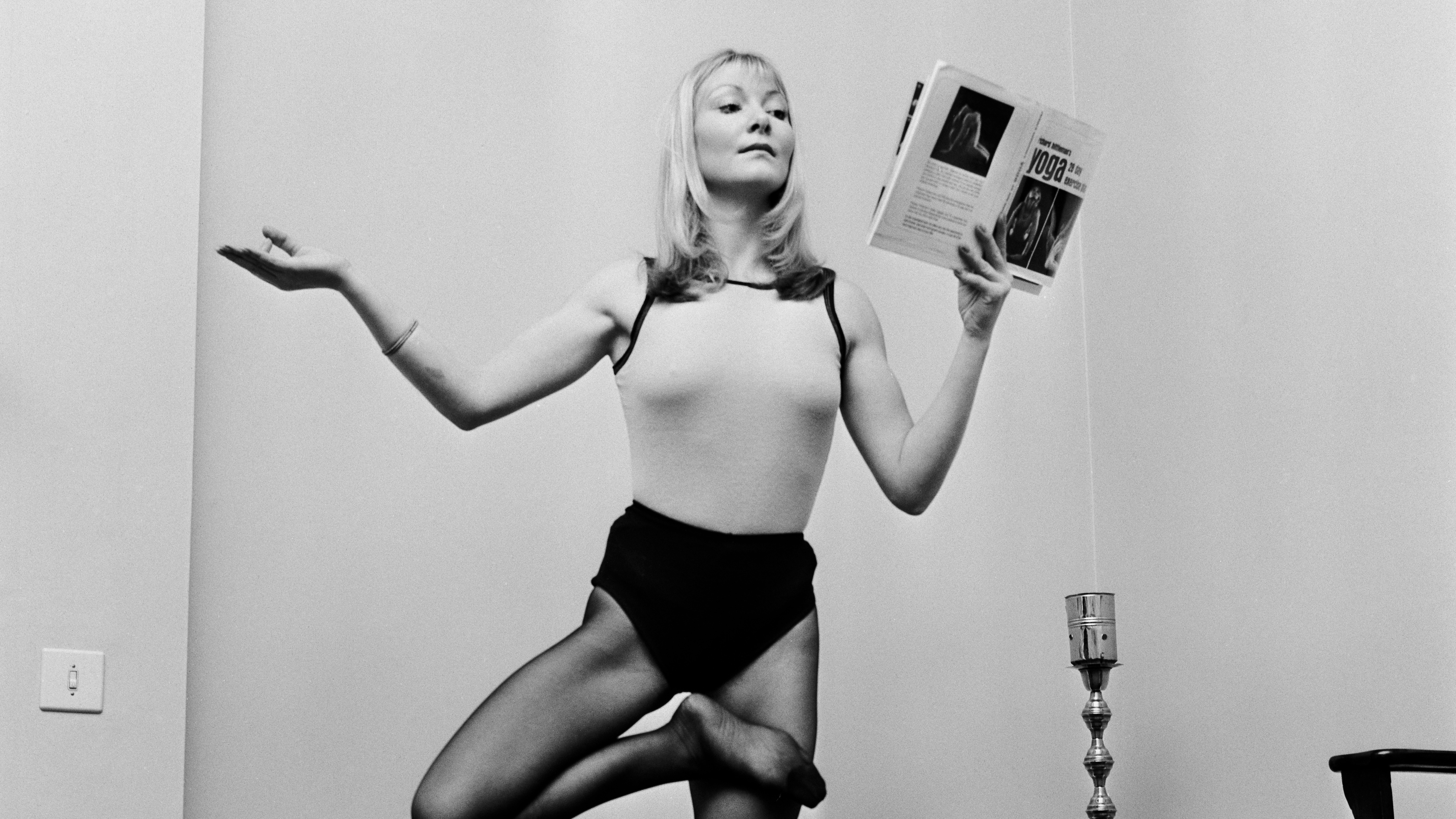
The next wellness craze is reading, my colleague Sophie Haigney reported in The Atlantic this week. She tried a new app called Readwise Books, which tracks a user’s words-per-minute the way a health app might track their mileage or heart rate. This is just one example of how influencers and the health-conscious have recently been making “a case for reading’s value that sounds a lot like the way we talk about physical health,” Haigney wrote. The fitness challenge 75 Hard, she noted, doesn’t just prescribe workouts and a specific water intake. It also requires participants to read “10 pages of nonfiction a day.” But it offers no guidance about what those titles should be or how to discern the value of any given 10-page chunk. More confusing to me was a claim, from the bodybuilder and former California governor Arnold Schwarzenegger, that picking up books is “a low-risk behavior (really, there’s no risk in reading more).”
First, here are 6 new stories from The Atlantic’s Books section:
- One word to explain America
- Welcome to the era of second-screen reading
- The loneliness of buying too many things
- The writer who made food fun
- “Long Wave,” a short story by Daisy Johnson
- “Caravaggio,” a poem by Peter Balakian
That stopped me in my tracks. No risk? If Schwarzenegger, or any other literature-as-wellbeing influencer, truly believes that the activity is as powerful as they say it is, how can that be true? Written language is so central to our society because it can, and does, lead to real action. If printed matter has the potential to change stubborn minds, inspire the most unlikely empathy, and transmit the wildest human ideas, then perusing 10 pages of a hateful manifesto could, under the right circumstances, entail a lot of risk.
I don’t mean to make an argument for locking away dangerous ideas or for thinking of books as vectors of unwholesome thoughts. Instead, like Haigney, I’m skeptical of anyone who posits reading as a harmless, vaguely healthful behavior akin to eating vegetables or wearing sunscreen. I think that people arguing for reading as a practice of personal and spiritual transformation should follow their premise to its conclusions: Books can alter a life, undermine foundational beliefs, even change the world.
Tracking one’s reading as if it were a workout shortchanges its power. What debates over the end of literacy sometimes miss is that the content of a book is far more important than any metric—whether words-per-minute or year-over-year sales. I’ve argued this before, when I encouraged people to measure themselves not by statistics but instead by qualitative benchmarks: “Finish Anna Karenina” is a more meaningful goal than “turn 900 pages.” Slipping and sliding across 3,200 frictionless pages of A Court of Thorns and Roses feels like a wholly different exercise than the deliberate, engaged immersion of Edward P. Jones’s The Known World. And neither is going to improve my VO2 max—which is fine by me, because that’s not why I’m reading them.
Illustration by Steph Wu / The Atlantic. Source: Getty.Let’s Not Make Reading a Wellness Trend
By Sophie Haigney
Books have long been considered morally and intellectually virtuous. Now some influencers are claiming that they’re good for your physical health.
What to ReadThe Invisible Kingdom, by Meghan O’Rourke
The best memoirs are those that take an occurrence, a life, or a history that is not our own, and so fully transport the reader into the world of the writer that our capacity for empathy expands in ways we could not have imagined. That is the experience I had reading O’Rourke’s The Invisible Kingdom, in which she writes beautifully and honestly about living with a chronic, mysterious, and often debilitating illness. Some of my loved ones live with their own enigmatic, ongoing health issues, and this book provided me with insight and context with which to more fully understand their experiences. O’Rourke places her life in conversation with the larger body of historical research on chronic illness, to provide a narrative that is both deeply personal and deeply investigated. In the age of COVID, when so many across the world are still living with the lingering, enervating symptoms of the virus, the lessons and stories here are becoming more relevant to all of us—just as they were for me. — Clint Smith
From our list: A book that changed how I think
Out Next Week📚 Arlington: An African American History, by William A. Blair
📚 Secrets: A Reporter’s Memoir, by Bob Woodward
Your Weekend Read Illustration by Tina Zhou / The AtlanticThe Least Productive Day of the Year
By Sophia Nguyen
Kelsey Rogers, a 26-year-old working in construction in San Antonio, Texas, didn’t want to tell her boss why she was asking for time off. First, she chalked it up to “personal reasons.” Then she said her birthday was coming up. But eventually, she came clean: She wanted to play Grand Theft Auto VI right when the game dropped, on November 19. Rogers had big plans—decorating with neon lights, stocking up on energy drinks, adorning those drinks with little paper umbrellas. She and her fiancé were going to play until their eyes gave out.
When you buy a book using a link in this newsletter, we receive a commission. Thank you for supporting The Atlantic.
Sign up for Video Village, a newsletter in which David Sims unearths cinematic gems and brings readers into his movie obsession.
Explore all of our newsletters.