Why Does Gen Z Feel Constantly Under Attack At Work, Online And Everywhere In Between?
· Free Press Journal
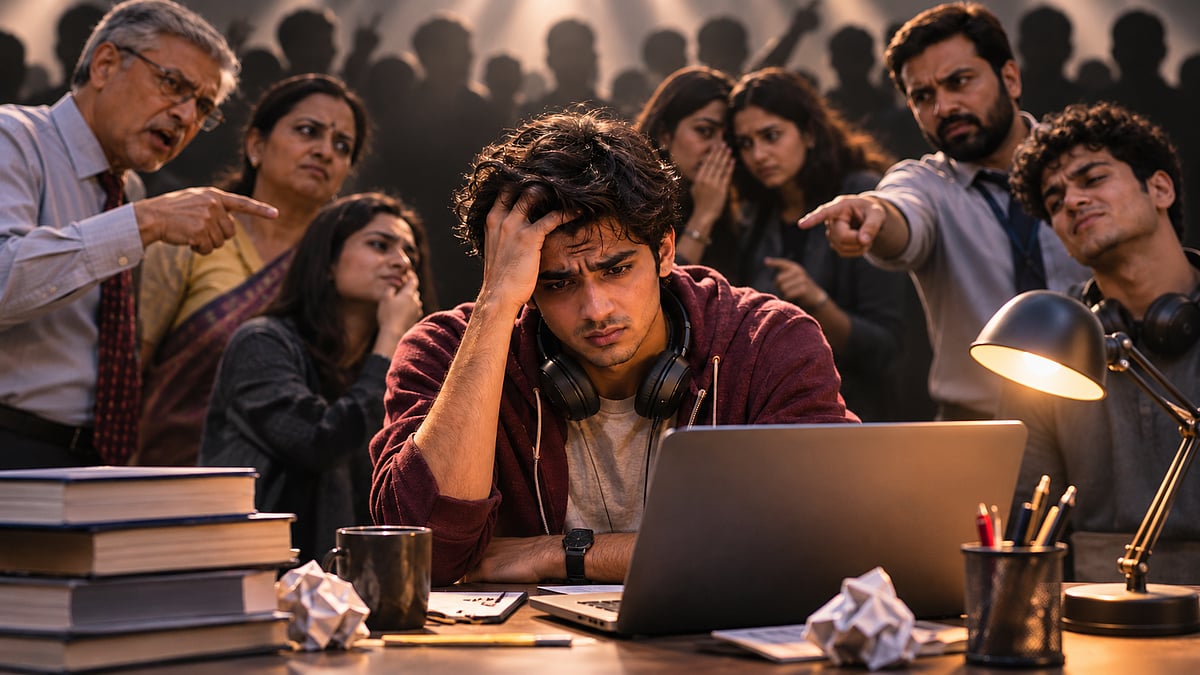
A 19-year-old at one workplace never replies in the company group chat, an anonymous Reddit commenter wrote. He sends a thumbs-up to the weekly schedule and nothing more. The boss, the commenter says, keeps complaining that nobody participates and tries, passive-aggressively, to shame him.
Was he just protecting his boundaries? Or not being a hard-working employee? A manager and a twenty-something may give opposite answers. And behind that disagreement sits a bigger question: Why does Gen Z feel singled out?
Visit rouesnews.click for more information.
Forage, a career site written by a Gen Zer, says the generation is often labelled "difficult" or "hard to work with." The perception is widespread. A 2023 Resume Builder survey of 1,344 managers and business leaders found that 74% considered Gen Z harder to work with than other generations. However, it measured managers' opinions, not workplace performance, and the company commissioned it.
Part of it comes down to reputation. Gen Z has picked up a long list of labels: lazy, entitled, difficult, too sensitive, unserious, unwilling to work hard and, perhaps most famously, “snowflakes.”
But obviously labels are not facts. The Hindu calls generational labels provisional and weighed down by stereotypes, and argues that "generational blame is as reductive as it gets." It asks whether the traits blamed on Gen Z are really unique to it, or just what happens when any young generation grows into responsibility. It also points out that in India, older people's memories of hardship, such as weekly queues at the ration shop, shape how they see work, hardship and entitlement.
When asked, “What makes Gen Z feel targeted?” college counselor Kimberly Lobo said several forces overlap. "I feel it's a combination of developmental age, greater exposure, social media, comparison and stress of today's environment," she said.
Young people are more aware of criticism, she added, but they are also dealing with pressures earlier generations may not have faced in the same way. "As a result, correction or disagreement can sometimes feel like personal targeting."
She rejects the idea that they are simply fragile. "It's not that they are more sensitive; they are growing up in a more exposed, comparative, and fast-paced environment, while also navigating the normal developmental need to establish who they are."
For a generation that spends much of its life online, criticism doesn't end when the classroom does or when the workday is over. A bad grade can become a comparison with someone else's LinkedIn post.
Joe Moraes, 20, from Mumbai, describes it as a change in where identity lives. "Growing in digital space has made our identities both exist in the digital context and physical spaces without any distinction between them," Moraes says. So criticism lands the same way whether it arrives on a screen or in a room. Moraes argues that their parents' generation received criticism offline and privately, while today it is "both online and public, leading to generalising."
Generalising is also how labels work. One person's thumbs-up in a group chat becomes a verdict on twenty-somethings.
For many young Indians, that exposure arrives while they are already under pressure to work out what comes next, with resumes, internships and grades to manage and everyone else's progress on display.
Parents see the gap too. Geeta Giddi, a public servant and the mother of a 19-year-old son, says her generation listened to elders because they had more life experience. With her son, she says, "he will listen but ultimately do what he wants to do." What looks like disobedience to one generation may feel like independence to the other.
Feeling targeted, on this evidence, may not mean being too sensitive. It may mean being watched, compared, and judged all day, and still being told to grow up.