Lucknow's KGMU To Develop India's First Indigenous Brain Atlas For Early Detection Of Neurological Disorders
· Free Press Journal
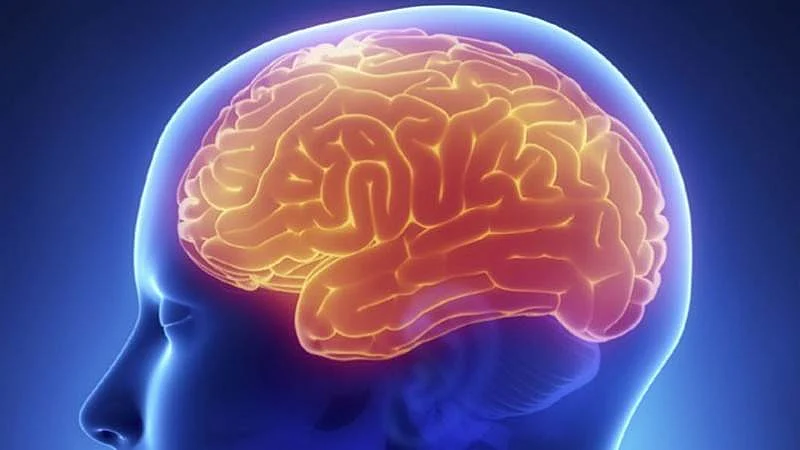
Lucknow: Early signs of brain disorders could soon be detected more accurately with the help of an indigenous scientific benchmark for the Indian population. King George's Medical University (KGMU) is spearheading the ‘Manas Mandal’ project to develop a digital atlas of the Indian brain by studying 700 healthy individuals from different parts of the country.
Visit goldparty.lat for more information.
The initiative aims to establish a standard reference for the structure and functioning of the Indian brain, helping doctors identify changes associated with neurological disorders at an early stage.
मस्तिष्क अनुसंधान को मिलेगी नई दिशाKGMU में ब्रेन कनेक्टोम एटलस पर शोध से भारतीय मस्तिष्क का डिजिटल मानचित्र तैयार होगा। AI और MRI तकनीक आधारित यह पहल स्ट्रोक, ब्रेन ट्यूमर और डिमेंशिया के अध्ययन को नई दिशा देगी।#BrainResearch #KGMU #HealthInnovation https://t.co/j5g7r1ShAM
— UP Swasth (@UP_Swasth) November 25, 2026
AI To Aid Brain Mapping
Dr Durgesh Kumar Dwivedi of KGMU said the absence of an India-specific brain atlas had made it difficult to accurately compare brain scans of Indian patients with existing international databases. The proposed atlas will help doctors understand the differences between healthy and diseased brains and assess the impact of various neurological conditions.
Artificial intelligence (AI) will play a key role in the project by standardising MRI data collected from different hospitals and machines, allowing researchers to compare scans on a common platform. The study will examine brain structure and connectivity between different regions.
700 Healthy Volunteers To Be Studied
The research will involve 700 healthy men and women aged between 20 and 60 years. To ensure adequate representation, participants will be selected from diverse professional and social backgrounds and linguistic groups, including Hindi, Urdu, Bhojpuri, Bengali and Tamil speakers.
The AI-based model will subsequently be tested on 50 patients each suffering from brain stroke, severe head injury, brain tumours and dementia, including Alzheimer's disease. This will help researchers understand how these conditions affect brain structure and connectivity.
The study will use conventional MRI scans as well as diffusion and functional MRI techniques. Researchers will also examine biological markers in blood, memory, cognitive abilities and genetic factors to build a comprehensive understanding of the Indian brain.
However, the brain atlas will not independently confirm a disease. It will serve as a reference tool to help doctors identify abnormalities and improve clinical assessment.
Smartphone-Based Screening For Rural Areas
The second phase of the Manas Mandal project proposes a smartphone-based cognitive screening tool to improve access to preliminary brain health assessments in rural and remote areas.
People suspected of having neurological disorders often have to travel to major cities because many rural areas lack MRI facilities and specialist neurologists. The proposed mobile-based tool will screen memory, attention and comprehension, helping identify people who may need further medical evaluation.
Rural Pune Students Shine In Robotics, 2 Selected For International Championship In South KoreaNational And International Research Collaboration
The initiative brings together eight institutions and 11 experts from India and abroad. The KGMU team includes Dr Durgesh Kumar Dwivedi, Dr Aneeth Parihar, Dr Hardeep Singh Malhotra and Dr Preeti Agrawal. Other Indian institutions participating in the project include IIT Kanpur, IIT Delhi and AIIMS Delhi.
International collaborators include Professor Yogesh Rathi of Harvard University, Professor Sudhir Pathak of the University of Pittsburgh, Professor Andrew Webb of Leiden University in the Netherlands and Professor Alok Dwivedi of the University of Missouri.
Towards An Indigenous Brain Atlas
Countries such as the United States, several European nations and China have developed brain mapping initiatives and databases. India, however, does not yet have a comparable national reference atlas tailored to its population.
Also Watch:
Neurological conditions such as stroke, dementia and brain tumours are among the major causes of disability in the country. Researchers believe that an indigenous brain atlas will reduce dependence on foreign reference data, which may not adequately represent the diversity of the Indian population.
By combining advanced MRI techniques, genetic information, cognitive assessments and AI, the Manas Mandal project seeks to create a scientific resource that could improve early diagnosis, clinical decision-making and treatment planning for patients across the country.