CHARLEBOIS: Brakes on Chinese EVs. Green light for milk.
· Toronto Sun
See more Toronto Sun on Google — save as a Preferred Source
Canada has spent decades trying to secure the future of its auto industry. After years of shifting policies and subsidies, Prime Minister Mark Carney now appears to see China as part of the answer. Ottawa wants to let more Chinese electric vehicles into the country and is considering whether Chinese automakers should build them here. Recent polling suggests most Canadians are open to the idea.
Visit biznow.biz for more information.
At least we’re having a public debate. Canadians are asking what Chinese investment could mean for jobs, vehicle security and our relationship with a country whose human rights record raises legitimate concerns. Ontario Premier Doug Ford calls Chinese EVs “spy cars.”
Now consider what happened in Kingston, Ont., when a Chinese company came to Canada to process Canadian milk.
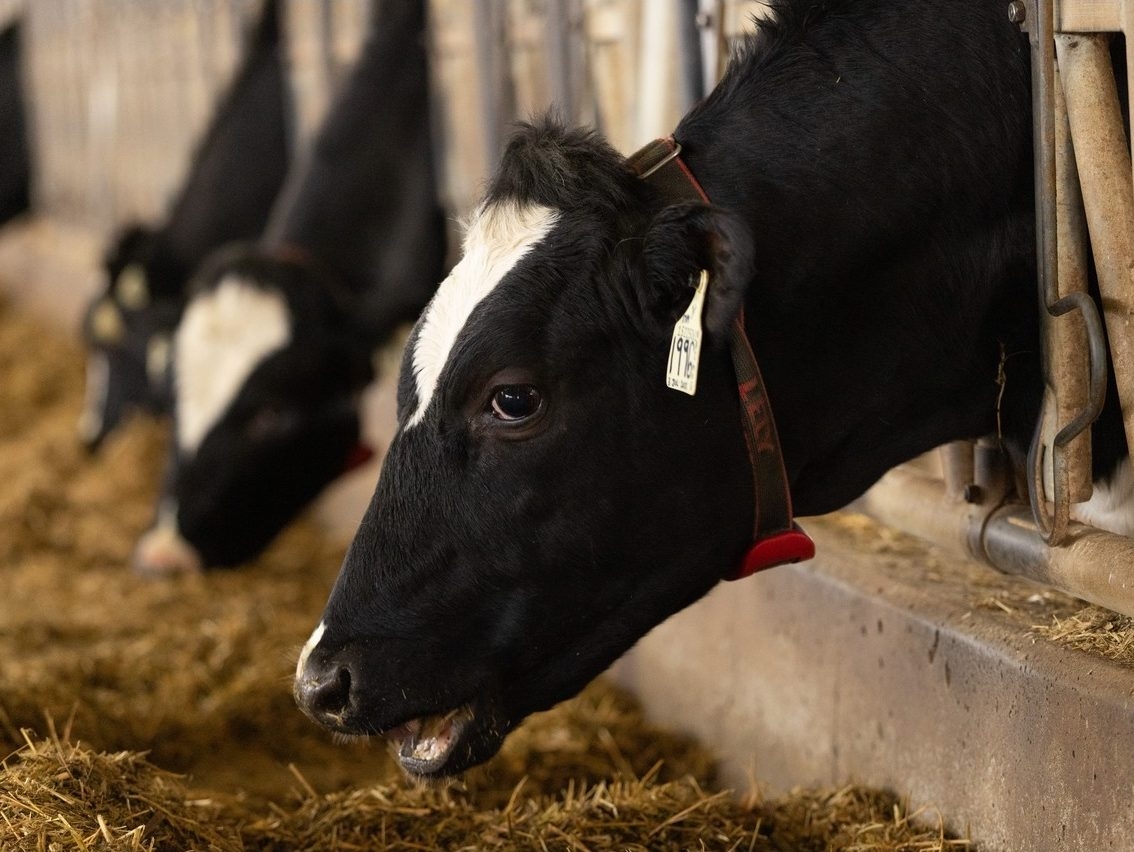
China Feihe built a dairy plant worth more than $300 million. The facility, Canada Royal Milk, received public support from both Ontario and Ottawa. Combined support has been estimated at close to $50 million. Ontario disclosed its $24-million contribution. Ottawa’s share has yet to be publicly disclosed.
The plant sources its milk from farms in Ontario and Quebec and makes milk powder, goat milk products and infant formula. According to documents obtained last year through an access-to-information request, the company initially planned to export roughly 85% of the plant’s output to China.
We need to know what we got for investment
There’s nothing inherently wrong with exporting Canadian dairy products. Exports can create jobs, give farmers another customer and add processing capacity here at home. But Canada regulates how much milk farmers can produce and limits imports under supply management, a system often defended on the grounds of domestic food security. When governments also put taxpayers’ money into a plant designed primarily to serve an overseas market, Canadians deserve to know what they got for their investment.
That question matters at a time when Food Banks Canada’s latest HungerCount recorded more than 2.3 million visits in a single month. Selling milk powder abroad didn’t cause those visits. But the scale of food insecurity makes it fair to ask what governments mean by food security when they use it to defend our dairy system.
The original export target tells us what the company intended. How much of the plant’s output goes abroad today? How much stays in Canada? And what commitments did Ottawa secure in exchange for its contribution?
Canadians are being asked to weigh the costs and benefits of having Chinese companies build cars here. We should be able to have the same conversation about who processes our milk, where it goes and what taxpayers paid to make it happen.
— Sylvain Charlebois is director of the Agri-Food Analytics Lab at Dalhousie University, co-host of The Food Professor Podcast.