Cape Town’s dams sitting over 70%, well above last year’s levels
· Citizen
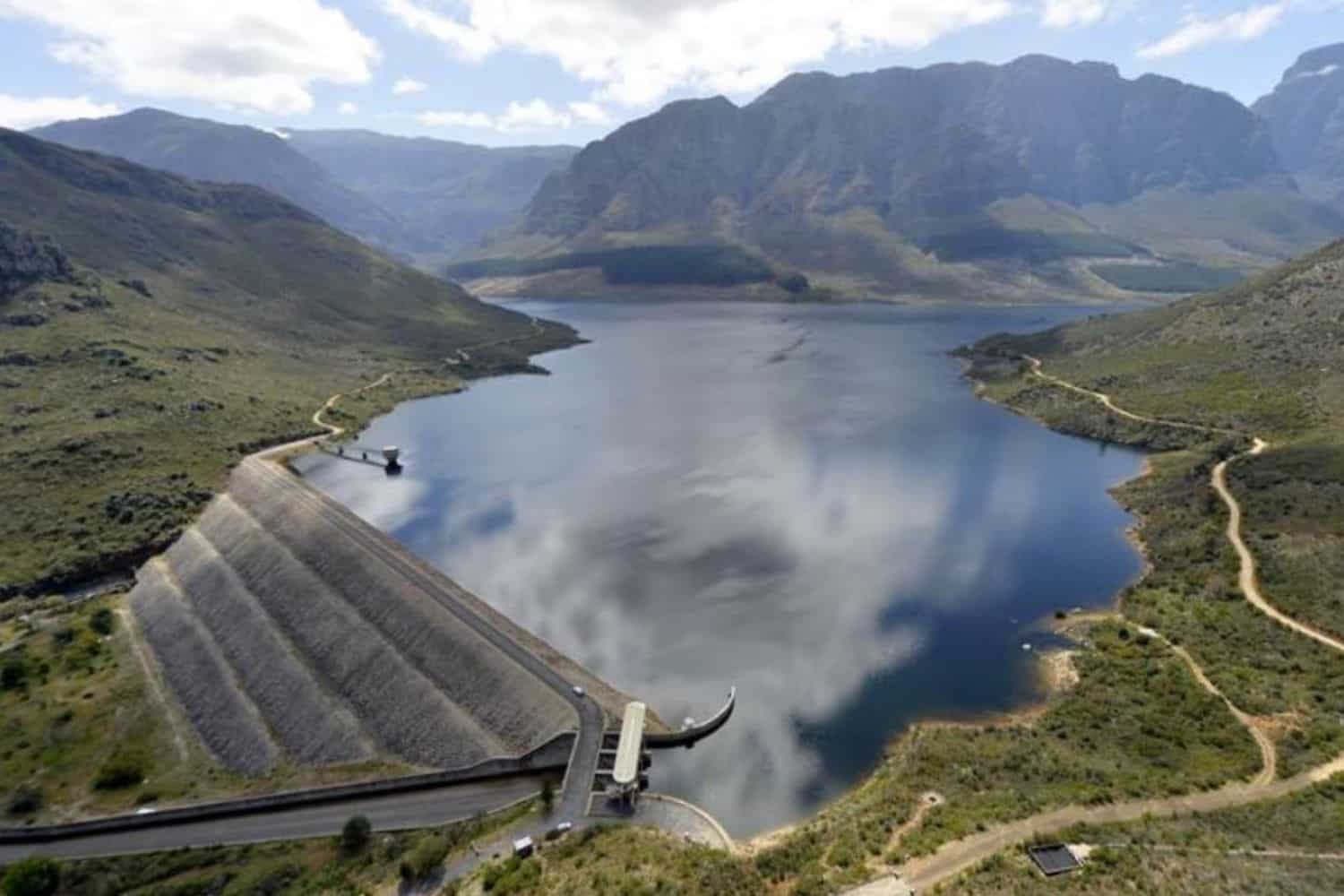
The city’s major dams collectively held 650 560 megalitres as of 1 June 2026, a significant improvement on the 540 816 megalitres recorded at the same time last year.
Visit biznow.biz for more information.
Cape Town’s dam system is showing encouraging signs heading into the winter rainfall season, with overall storage climbing to 72.4% of total capacity, up from 60.2% recorded during the equivalent period in 2025.
The city noted that the system also provides irrigation water for agriculture across these regions.
“The dams in and around Cape Town form part of the Western Cape Water Supply System, which is an integrated and collectively managed system of dams, pump stations, pipelines, and tunnels,” the City of Cape Town said.
How individual dams are performing
The picture across the six major dams in the system is largely positive, with most facilities recording week-on-week gains.
Wemmershoek is the standout performer, sitting at 96.7% capacity, up from 95.3% the previous week and substantially higher than the 53.1% recorded at this time last year.
Theewaterskloof, the system’s largest dam with a full capacity of 480 188 megalitres, rose to 73.7% from 72.6% the week prior, compared to just 59% in 2025.
Berg River currently stands at 76.4%, a slight dip from last week’s 77.6%, though still markedly better than the 68% recorded in June 2025.
Steenbras Upper climbed to 81.5% from 80% the previous week, while Voëlvlei edged up to 59.3% from 58.9%.
“Because each dam size is different, the best indicator of overall dam water levels is the total quantity stored expressed as a percentage of total dam capacity,” the City of Cape Town explained.
Steenbras Lower remains the lowest in the system at 52.4%, down marginally from 53% the week before, though still well above last year’s 42.3%.
Why these levels matter for Cape Town residents
The city and the National Department of Water and Sanitation monitor dam levels on an ongoing basis to assess available water supply and determine whether restrictions are necessary.
“The City of Cape Town and the National Department of Water and Sanitation measures dam levels to check how much water is available for the region and whether water restrictions are necessary for residents and businesses,” the city said. “The dam levels are critical for Cape Town’s water supply.”
In addition to serving the metro, the Western Cape Water Supply System extends its reach well beyond Cape Town’s boundaries.
The city confirmed that “in addition to servicing Cape Town, the system supplies water to towns in the Overberg, Boland, West Coast, and Swartland areas, and provides irrigation water for agriculture.”